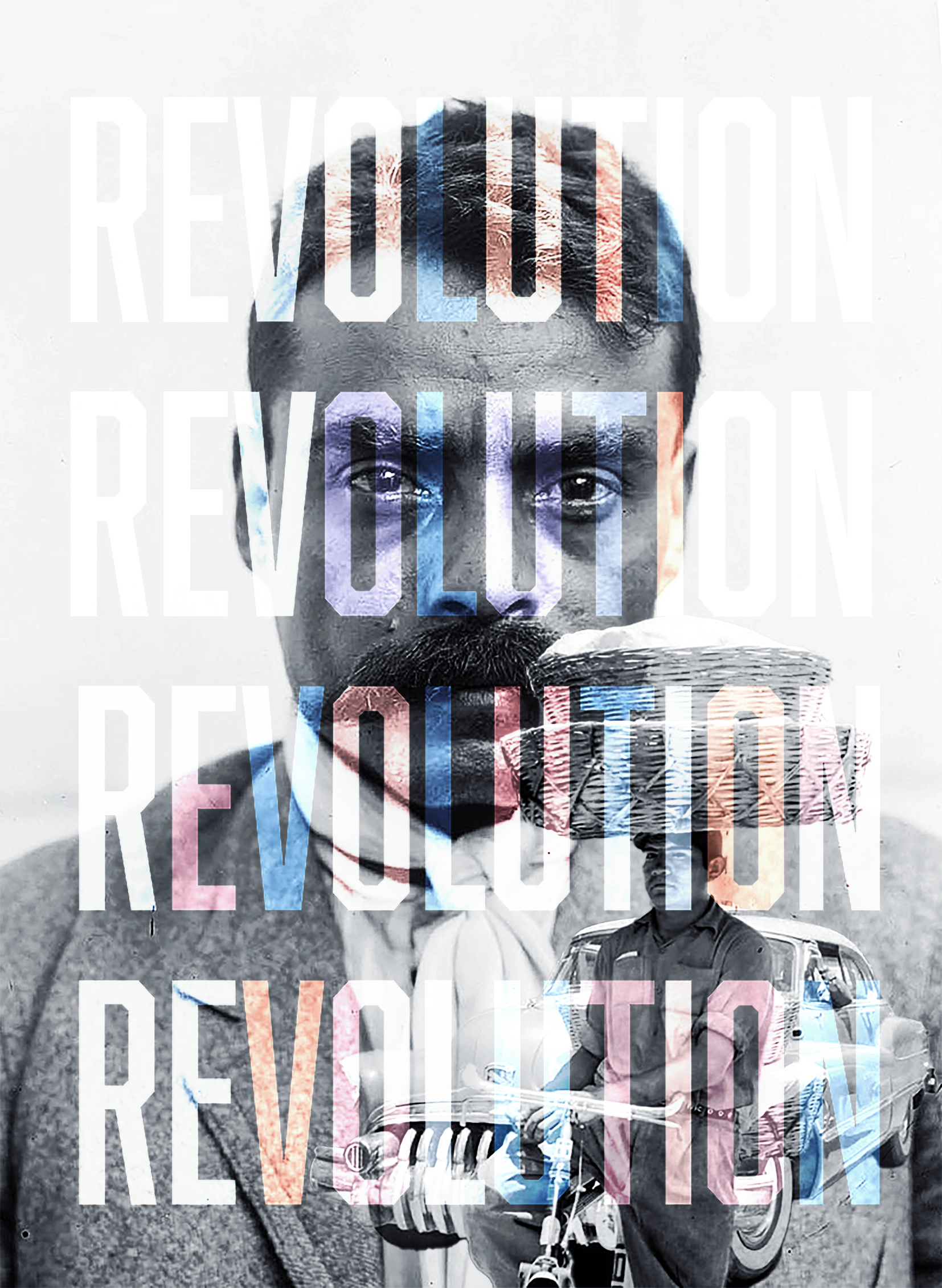
Throughout Mexico’s revolutionary past, many who gave their strength to the struggle for justice have not been formally recognized in the nation’s history books. Yet their memory remains alive in the voices of their descendants and the soil they fought for. One such figure is Feliciano Mejía, a campesino from Morelos who served as an official messenger of the Ejército Libertador del Sur under the leadership of Emiliano Zapata.
Mejía’s work was essential. He carried written communications between revolutionary leaders, often hiding them in the soles of his sandals or within his clothes to avoid detection by federal soldiers. Though unarmed, his role helped keep the Zapatista resistance organized and informed.
At the start of the 20th century, the people of Morelos faced severe land dispossession. Large estates (haciendas) owned by wealthy landowners expanded at the cost of Indigenous communities and small farmers. These injustices had colonial roots, but they intensified under the dictatorship of Porfirio Díaz, who prioritized foreign investment and elite profit over peasant welfare.
The legal system favored the powerful, and local people faced high taxes, forced labor, and state repression. In response, Emiliano Zapata of Anenecuilco emerged as a leader committed to agrarian justice. He and his followers issued the Plan de Ayala in 1911, demanding the return of stolen lands and declaring the principle of “Tierra y Libertad” — Land and Freedom. For Zapata and those like Mejía, the revolution was about restoring dignity and communal autonomy, not just changing presidents.
Feliciano Mejía’s testimony gives insight into the hardships faced by everyday revolutionaries:
Mejía joined the struggle as a teenager. He recalled the moment he and his siblings fled their home:
“My mother told us crying: ‘The government will take you. Run, my children...’ I was 14 years old. That’s how I entered the Revolution.”
His experience was not unique but reflects what thousands of young men and women endured in defense of their families and their land.
In 1919, Zapata was assassinated in a planned ambush under orders from the government of Venustiano Carranza. After his death, many Zapatistas were hunted, executed, or offered false promises of peace. Feliciano Mejía managed to survive, but his father was killed by Carrancista forces.
The death of Zapata did not end the ideals of the movement. Land reform remained incomplete, and many communities continued to fight for access to land, water, and justice. Mejía’s story reminds us that the Zapatista struggle was never just about war — it was about survival and self-determination.
Today, the demands of the Zapatista revolution — land justice, Indigenous rights, and communal dignity — remain relevant. Feliciano Mejía’s testimony is not one of glory, but of sacrifice.
“We didn’t fight for fame. We fought for the land that was taken from us. If they kill me, let them kill me defending what is right.”
This article is not only a tribute to Feliciano Mejía. It is a reminder that history is also written by those whose names may not appear in official monuments, but whose lives shaped the course of justice from the ground up.
